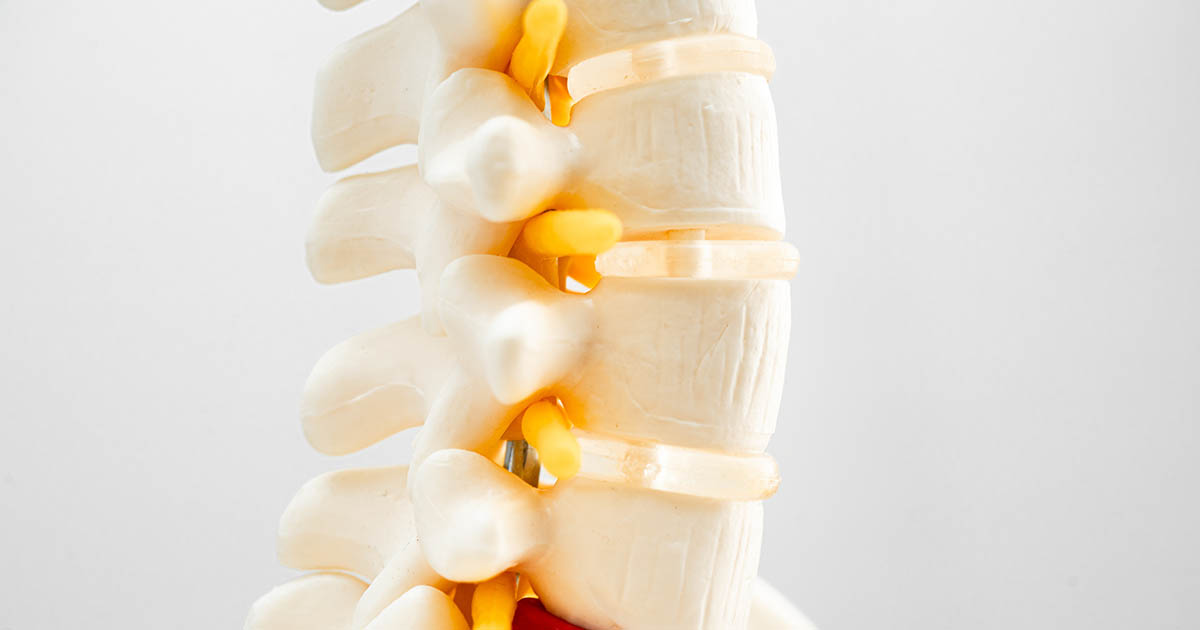


The most common question we hear at our Lakewood Ranch office, usually at the end of a first appointment, is: "So when will I feel better?" It is a fair question, and the honest answer is not as simple as "3 visits" or "6 weeks." But it is not mysterious either. If you understand the three things that drive the timeline, the progression makes sense, and you will know what to watch for at each stage of care.
The short version: an acute problem caught early can respond in days to a few weeks. A chronic pattern that has been building for months or years needs more time. And conditions involving structural nerve compression, like a disc herniation driving back pain, follow a different arc than simple muscle guarding. Here is how to think about all of it.
The three factors that set your timeline
Every case is a product of the same three variables: what is injured, how long it has been there, and what is working against recovery. Once you understand what is actually driving your pain, the timeline usually becomes predictable.
1. The type and depth of injury. Muscle and ligament sprains respond faster than disc injuries. Disc injuries respond faster than nerve compression syndromes. Nerve compression syndromes that have existed for months respond slower than ones caught in the first few weeks. These are tissue biology, not opinions.
2. Chronicity: how long the problem has been present. An injury that has been there for two weeks is sitting in the acute inflammatory phase. One that has been there for two years has been remodeled, adapted, and layered with compensatory muscle guarding, altered movement patterns, and sometimes secondary joint changes. Getting an adapted chronic pattern to unwind takes more cycles of care than an acute one.
3. What is compounding the recovery. Poor sleep disrupts tissue repair. A physically demanding job reloads the injury between visits. Dehydration stiffens discs. Each of these does not change the trajectory of care, but it can slow the pace. We review all of them at the first visit because they affect our timeline expectations.
Acute pain: what most patients notice in the first two weeks
For an acute injury, meaning pain that started within the past four weeks, the first two weeks of care are often the most dramatic. Patients coming in with acute disc irritation, a recent facet strain, or muscle guarding from a minor car accident typically notice three changes during this window:
- The intensity of pain at rest drops noticeably (this is usually the first thing).
- Range of motion starts to return: turning the head, bending, getting up from a chair without the same level of guarding.
- Sleep improves, because the pain that woke them up at night begins to quiet.
None of this means the problem is resolved. What it means is that the acute inflammatory driver has been addressed enough that the nervous system starts to down-regulate its pain signal. That is a start, not a finish. Many patients misread this early progress as "fixed" and stop care before the underlying mechanical problem has been corrected, which is why so many back pain cases come back three to six months later.
The pain signal is not the injury. It is the injury reporting. When the signal quiets, the reporting has changed, but the underlying structural problem often has not. That is the gap chiropractic needs to close during the middle phase of care.
In our Lakewood Ranch office, most acute cases require between 8 and 16 visits over 4 to 8 weeks, depending on the presenting findings. Some straightforward acute cases with no disc involvement resolve faster. Some are still in the acute phase when we see them at visit 12 because they waited 3 weeks before coming in, which delays the response window.
Chronic pain: why the timeline is longer and what actually changes it
If your pain has been present for three months or more, you are in a different category. Chronic pain has a neurological dimension that acute pain does not. The central nervous system has been processing a sustained pain signal long enough that the pain pathways themselves become sensitized: the volume is turned up on inputs that should not hurt.
This matters for timeline expectations in two ways. First, the tissue injury still needs to be addressed mechanically, which takes its own time. Second, the sensitized nervous system does not always normalize as quickly as the tissue heals. Many chronic patients feel their tissue pain improve while still having what feels like hypersensitivity in the area. Both have to settle.
For chronic disc-driven back pain, the cases we treat most often with non-surgical spinal decompression in Lakewood Ranch, a realistic program runs 20 to 36 visits over 8 to 12 weeks. Some cases tighten up faster. A few need longer. The meaningful signal is not the visit count but the functional progress: are you doing more? Sleeping better? Moving through your day without the same patterns of limitation?
For chronic nerve pain conditions, peripheral neuropathy being the hardest example, the timeline extends further. Nerve tissue repairs slowly. In our neuropathy program, most patients see meaningful measurable change over 12 to 24 weeks, not days. Patients who have had neuropathy for 10 years do not recover in 10 weeks.
What week-by-week progress actually looks like
Chiropractic progress is not linear. It tends to move in stages, with a characteristic plateau that catches patients off guard around weeks 4 to 6. Here is the general shape we see most often:
Weeks 1-2: Symptom intensity drops at rest. Range of motion improves. The "locked up" feeling begins to give way. Some patients feel dramatically better and want to stop. Others feel worse for a day or two after the first adjustment as the body processes the change: this is normal and usually resolves within 48 hours.
Weeks 3-6: This is where the real structural work happens. Pain levels are often 40 to 60 percent below the starting point. Sleep is more consistent. Many patients return to activities they had been avoiding. This is also where the plateau lands for some: the easy progress has been made, and the deeper mechanical correction is slower to show up in the symptom picture.
Weeks 7-12: The focus shifts from pain reduction to function. Can you carry groceries without the same compensation? Can you get through a round of golf, or a beach walk, or an afternoon with your grandkids, without it taking you out the next day? Functional gains are the most durable outcomes of chiropractic care because they mean the underlying movement pattern has changed, not just the pain signal.
Month 3 and beyond: At this point, most active care programs are transitioning to maintenance. For some patients, monthly or bimonthly adjustments keep the pattern from reverting. For others, they are discharged with a clear home program and return only when something flares. Neither path is wrong; it depends on the underlying condition and the patient's goals.
Why some patients plateau and what to do about it
A plateau is not a failure. It usually means one of three things: the current approach has done what it can do with a specific modality and an adjunct is needed; there is a structural finding (like significant stenosis or a grade 2 disc herniation) that needs a different tool in the plan; or a complicating factor, dehydration, poor sleep, a demanding physical job, is continually reloading the problem faster than care is correcting it.
When a patient hits a plateau in our office, we do not simply add more of the same. We reassess. Sometimes adding spinal decompression to an adjustment program breaks the plateau. Sometimes introducing Class IV laser therapy to address soft tissue inflammation changes the response curve. Sometimes the most useful step is an updated conversation about what is happening biomechanically and why the path forward is different from what the first phase required.
If you have been seeing a provider for 12 visits with no measurable improvement in pain, function, or range of motion, that is a signal worth discussing. Not every case is manageable conservatively, and any honest chiropractor should tell you that.
Conditions that respond quickly vs. those that take longer
After 23 years and thousands of cases at this practice, here is a clinical pattern we see consistently:
Faster responders (6-16 visits is usually enough for significant improvement):
- Acute cervicogenic headache: headaches driven by upper cervical joint restriction often respond within 2 to 4 weeks.
- Simple facet joint strain: an acute "put my back out" event without disc involvement typically resolves quickly with manipulation and soft tissue work.
- SI joint dysfunction: sacroiliac pain from a single identifiable trigger (a fall, a heavy lift, pregnancy) responds well with specific manipulation and usually stabilizes in 8 to 12 visits.
- Acute muscle guarding from a minor auto injury: when care starts within the first 72 hours, recovery is almost always faster and more complete than when it starts 3 weeks later.
Slower responders (12-36+ visits, often with multiple modalities):
- Herniated disc with radiculopathy: the nerve has to calm down and the disc has to rehydrate, both of which take time.
- Lumbar spinal stenosis: structural narrowing does not reverse, so the goal is symptom management and function preservation, which requires ongoing care.
- Peripheral neuropathy: nerve repair is measured in millimeters per day. Realistic timelines for functional improvement are months, not weeks.
- Adult degenerative scoliosis: we manage progression and pain, not cure the curve, which means long-term engagement rather than an acute care cycle.
What you can do between visits to speed the process
Chiropractic works between appointments too, which means your habits outside the office affect the pace. Three things make the clearest practical difference for most patients:
Water. Intervertebral discs are mostly water. They rehydrate overnight and lose water through the day under compressive load. Patients who drink consistently, especially in the morning before the day loads the disc, maintain better disc height and respond faster to decompressive care. Florida summer dehydration is a real clinical factor at our Lakewood Ranch office. We mention it often.
Movement, not rest. The impulse to rest a painful back is understandable. But prolonged bed rest slows recovery. Short, frequent walks, 10 to 15 minutes, maintain disc nutrition through movement-driven fluid exchange and keep the joints mobile between adjustments. Rest for 24 to 48 hours after an acute injury makes sense. Rest as a strategy beyond that slows things down.
Sleep position. The hours you spend in bed either load or unload the spine depending on how you are positioned. Back sleepers with a pillow under the knees reduce lumbar flexion load. Side sleepers with a pillow between the knees keep the hips level and protect the SI joint. Stomach sleeping, especially with the head rotated, is the hardest position on the cervical spine. If your pain is consistently worse in the morning, this is worth discussing with us.
When chiropractic has limits
This is the part of the conversation that tends not to get published in clinic marketing materials, so we will say it plainly: not every spinal problem is a chiropractic problem.
Some conditions require surgical evaluation. Cauda equina syndrome, with its hallmark bowel or bladder dysfunction and saddle numbness, is a surgical emergency that should never be managed conservatively. A disc herniation with progressive neurological deficit, meaning strength is dropping rather than just painful, needs an orthopedic or neurosurgical opinion before conservative care continues. Advanced spinal instability, vertebral fractures, and certain tumor-related pathologies fall outside the scope of chiropractic management.
We do not treat those cases. We identify them and refer. That is what 23 years of training is partly for: knowing not just how to help, but knowing when someone needs a different provider and making that referral quickly. If you are not sure whether your case is appropriate for chiropractic, a first-visit evaluation will tell you clearly. The exam is the first step, and the answer is sometimes "this belongs elsewhere."