
Burning, tingling, numbness. It's called peripheral neuropathy.
The burning and numbness settle into your feet and hands. That is peripheral neuropathy, and what is damaging those nerves usually starts somewhere less obvious, most often blood sugar, sometimes a chemo drug or a B12 that dropped too low. A scan can show a worn disc or a pinched nerve without proving that is what is actually driving your symptoms. So the first visit goes toward looking for what may be driving it, then deciding whether care here makes sense.
Not every case is a fit for our program, and some nerve damage is long-term no matter who treats it. The first visit is where Dr. Banman looks at yours, and if he doesn't think our program is a reasonable fit, he will tell you so plainly.
- Multi-modalcombined therapies
- Drug-freeno new prescriptions
- Trackedre-measured at set intervals
Does this sound like your neuropathy?
Three quick questions help us point you toward the kind of pattern we see most often. This is educational, not a diagnosis, but it'll help your conversation with us start in the right place.
Where neuropathy comes from.
Diabetes
The most common cause. Long-term blood sugar elevations damage nerves, especially in feet/hands.
Chemotherapy
Many oncology drugs damage peripheral nerves. The damage often outlasts treatment.
Idiopathic ("unknown")
You've been told nothing's clearly wrong, but you still have symptoms. We work with these.
Compressive (pinched nerve)
Disc, stenosis, or scar tissue compressing the nerve.
Post-surgical
Post-back, post-knee, post-cervical surgery nerve symptoms that have lingered.
Vitamin / nutritional
B12, B6, and other deficiencies can drive nerve symptoms. Worth screening.
A structured program, not a single therapy.
Neuropathy Program
The full structured program, for people whose exam shows it is a fit.
See the program →Class IV Laser
A light-based treatment applied to the affected area.
About the laser →EMS
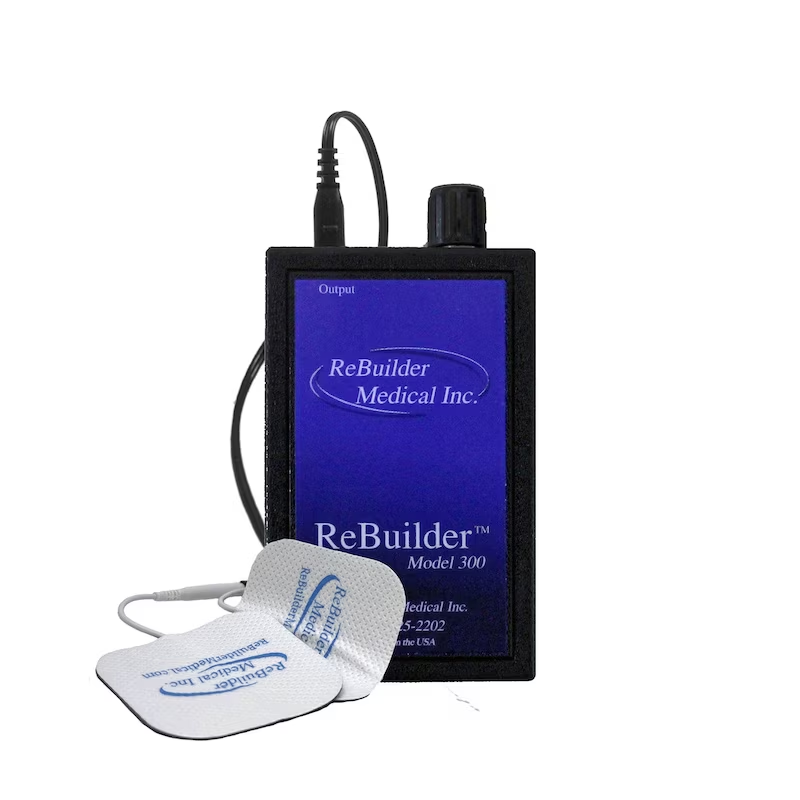
Gentle electrical stimulation that makes muscles contract.
About EMS →Decompression
For neuropathy linked to disc or stenosis compression.
When compression is the driver →Quick answers.
What can I realistically expect?
It depends on the type and cause of your neuropathy, how severe it is, and how long it has been there, and results vary from person to person. At the evaluation Dr. Banman tells you honestly whether he thinks our program is a reasonable fit for your case.
Do I have to stop my medications?
No, that's between you and your prescribing doctor. We don't direct prescription changes.
Is the program painful?
Most therapies are non-invasive. Electrical stimulation usually feels like tingling or pulsing, and the laser feels warm. If anything is uncomfortable, tell us and we adjust it.
Insurance?
Neuropathy programs are rarely covered. HSA/FSA accepted; CareCredit available. Payment options →
Understanding peripheral neuropathy.
Knowing what's happening, and why early action matters, is the first step toward a plan for neuropathy care.
What causes peripheral neuropathy?
Peripheral neuropathy isn't one condition, it's a category of nerve dysfunction with many possible drivers. Diabetes is the leading cause in the United States, where chronically elevated blood sugar damages the small nerves in the feet and hands. Chemotherapy is another common driver: many oncology agents are neurotoxic, and the symptoms can outlast treatment by months or years. Autoimmune conditions (like Guillain-Barré or lupus), vitamin deficiencies (especially B12, B6, and folate), post-surgical nerve trauma, alcohol-related nerve damage, infections, and toxic exposures can all produce neuropathy. In a meaningful share of cases the cause is never identified, that's called idiopathic neuropathy. Looking for the likely cause matters, because some causes need care from your medical doctor.
Symptoms of neuropathy beyond burning and tingling
Most people associate neuropathy with burning or tingling in the feet, and those are real, but they're far from the whole picture. Symptoms also include numbness (which can range from mild to total loss of sensation), sharp electrical or stabbing pains that come and go, increased sensitivity where even bedsheets feel painful, balance problems and frequent stumbling because the feet aren't reporting clear signals to the brain, muscle weakness or atrophy, and temperature dysregulation in the hands and feet. Symptoms often follow a "stocking-and-glove" distribution, feet first, then hands. Many patients describe the sensations as worse at night, which can interfere with sleep and recovery.
Why it's worth getting checked early
Some causes of neuropathy, such as high blood sugar or a low B12 level, can keep affecting nerves until they are found and managed by your medical doctor. Numb feet can also hide cuts and sores, and poor balance raises the risk of a fall. That's why we encourage anyone with new or worsening symptoms in the hands or feet to get evaluated rather than waiting and hoping. An evaluation can't promise a result, but it tells you where things stand.
Neuropathy treatment FAQs.
Does the program help everyone?
No. It depends on the type, the cause, and how long it has been progressing, and results vary from person to person. Dr. Banman examines you first and tells you whether he thinks the program is a reasonable fit. If you start, we re-measure sensation, balance, and pain at set intervals and go over what has and hasn't changed.
What treatment options are there for neuropathy?
There isn't one answer for everyone. The right care depends on the cause, and some causes, like diabetes or a vitamin deficiency, need your medical doctor. Our neuropathy program is one conservative option. It combines in-office therapies such as Class IV laser, electrical stimulation, and decompression when a compressive component is found, plus lifestyle support, with progress measured at every re-evaluation.
How long does the program take?
The active phase is usually several weeks of two to three visits per week. We can't predict how or when your symptoms will change, and results vary from person to person. We re-evaluate at set intervals and adjust the plan based on what the measurements show.
Is your neuropathy treatment covered by insurance?
Structured neuropathy programs are rarely covered by insurance. We accept HSA and FSA funds, and CareCredit financing is available. See payment options → or reach out with questions.
Let's take a careful look at yours.
Tell us what you've tried and what you've been told. Dr. Banman will look for what may be contributing, then tell you honestly whether our program is a reasonable fit, and if it isn't, point you to someone who may be.