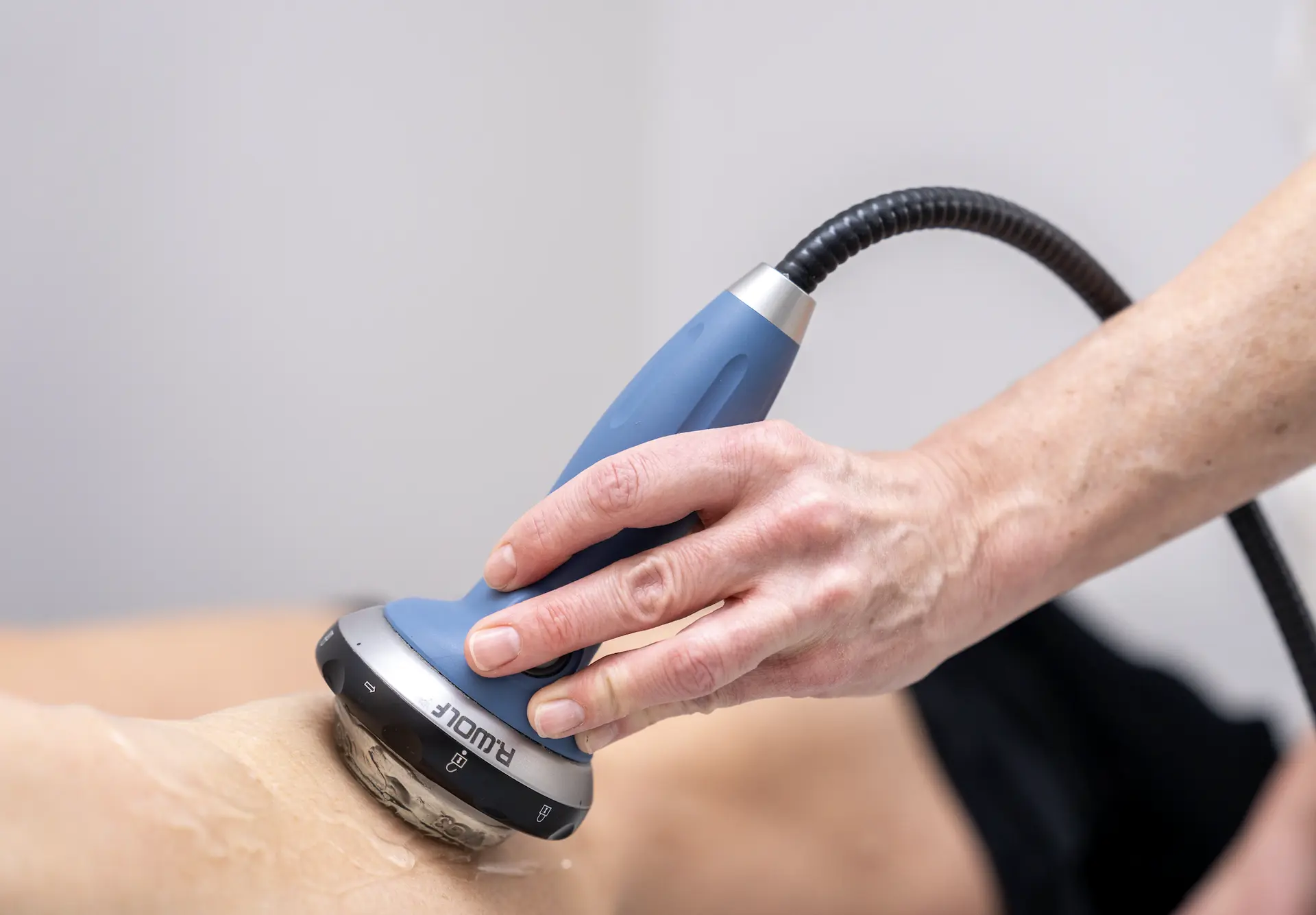
Shockwave therapy, for the right stubborn case.
If you have plantar fasciitis, a stubborn Achilles, tennis elbow, or a calcified rotator cuff that rest, anti-inflammatories, and cortisone never fixed, the real question is not what the machine does. It is whether shockwave will actually move your case, or whether something else will. Day 1 at Spine and Wellness Center Lakewood Ranch is a focused exam with Dr. Banman to find out what is driving the pain and whether shockwave is the right fit for it. Sessions are short, with no needles or medication.
Not everyone with chronic tendon pain is a candidate for shockwave. On your first visit we find out whether you are, and we tell you straight if you're not.
- Drug-freeacoustic-wave technology
- Short sessionsno downtime after
- Cash-pay clearHSA/FSA accepted, no insurance games
Four common targets. One acoustic pulse.
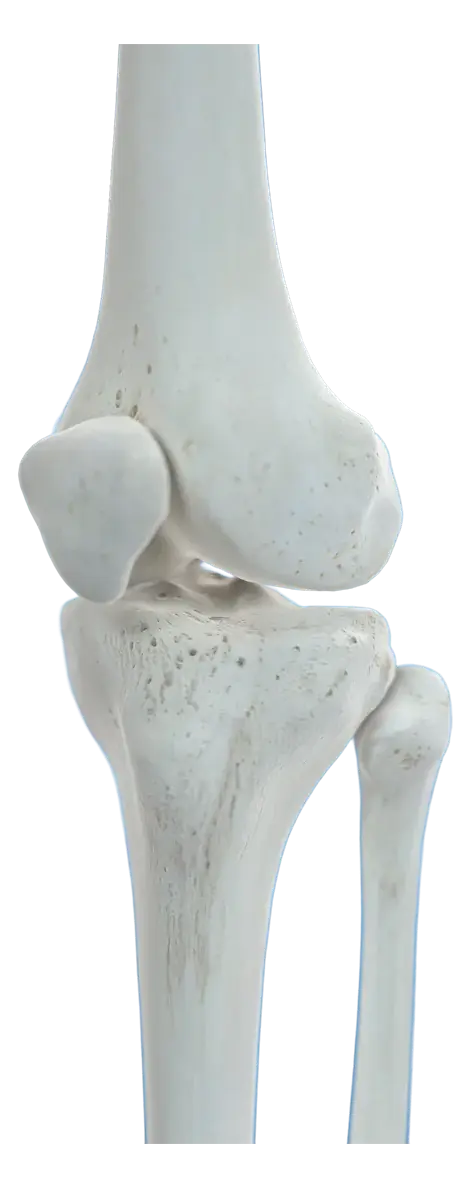
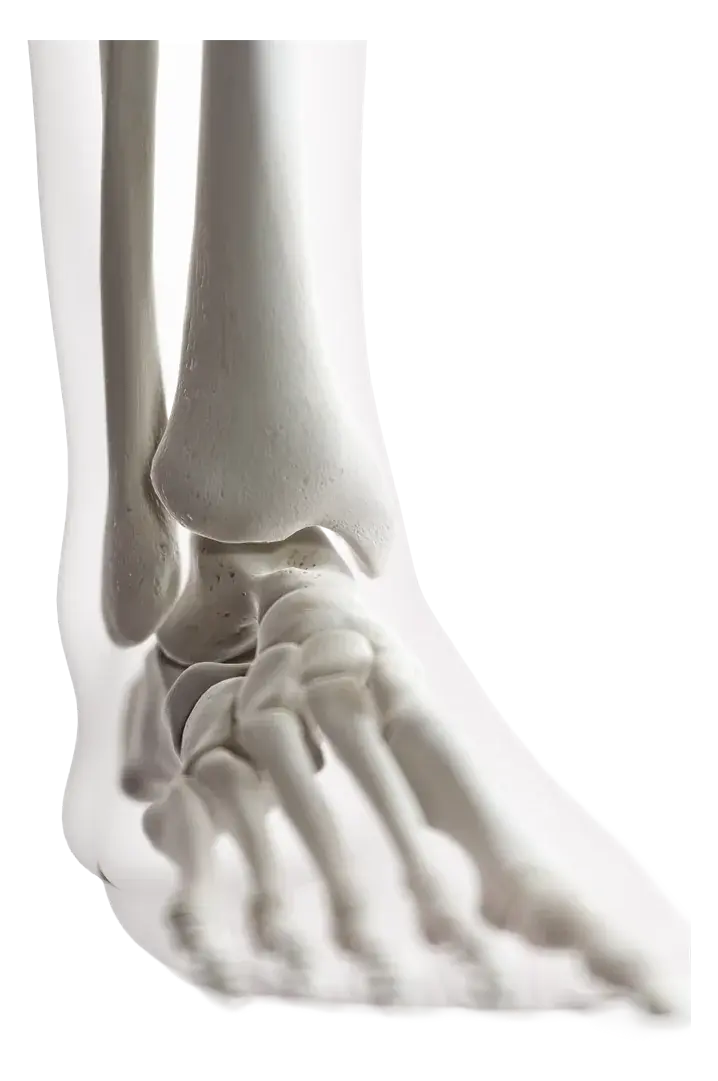
Pick a region. We’ll zoom into the actual anatomy, tendon, fascia, muscle, and fire a shockwave pulse where it matters. Each ring you see is the same wavefront the device delivers into tissue.
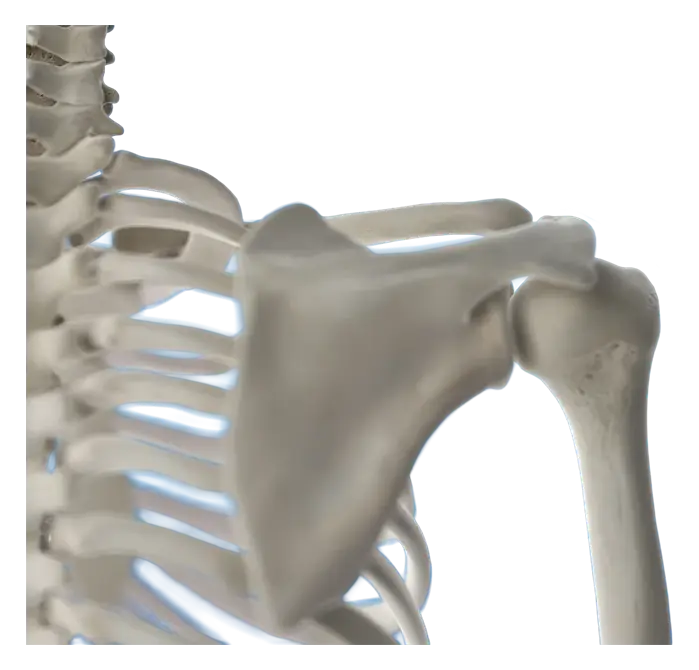
Calcium deposits in the rotator cuff.
Calcific shoulder tendinopathy is one of the highest-yield uses of shockwave. The acoustic pulses can mechanically break down the calcium deposits sitting inside the supraspinatus tendon and trigger the body to clear them, restoring movement that had been stuck for months or years.
- Calcific tendinitis
- Rotator cuff irritation
- Subacromial pain
Tap any region. Tap the glowing target to fire a shockwave pulse.
Best for stubborn, chronic cases.
Plantar fasciitis
Heel pain that's lingered through stretching and PT.
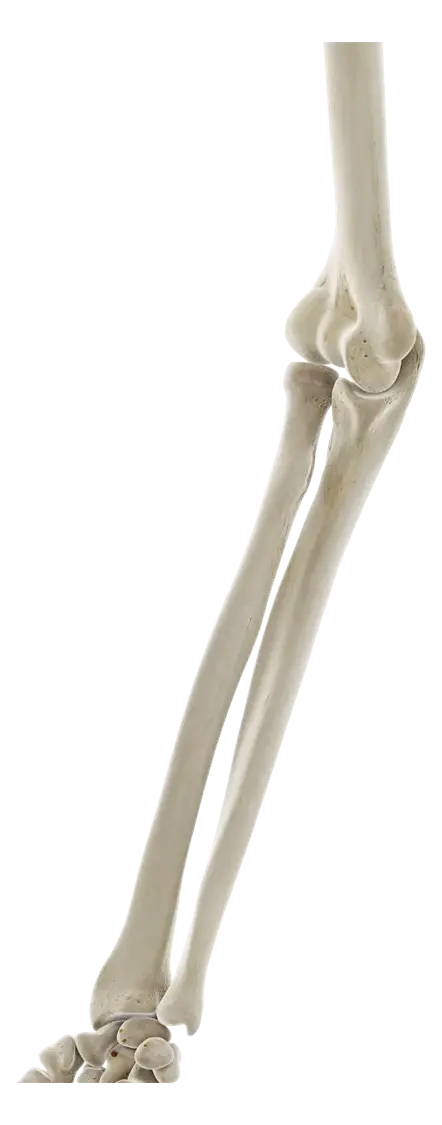
Tennis & golfer's elbow
Lateral and medial epicondylitis.
Achilles tendinopathy
Chronic tendon pain that hasn't healed.
Patellar tendinopathy
"Jumper's knee", chronic knee tendon pain.
Rotator cuff issues
Calcific tendinitis and chronic shoulder pain.
Trigger points & muscle knots
Chronic, stubborn knots that haven't released.
What to expect.
Targeted area exposed
Just the treatment area, gel applied to help the wave conduct.
5 to 10 minutes of pulses
You'll hear a clicking sound and feel a tapping pressure. Mildly intense but tolerable. We can adjust intensity in real time.
Brief soreness, then improvement
It's normal to feel a little sore for 24 to 48 hours afterward. That's the inflammation response that drives the healing.
Plan over several weeks
Most chronic cases need 3 to 6 sessions over a few weeks for the full effect.
Quick answers.
Does shockwave hurt?
It's intense but tolerable, most patients describe it as a strong tapping. We adjust energy in real time so it's never beyond what you can comfortably handle.
How is it different from ultrasound?
Ultrasound delivers continuous high-frequency sound waves; shockwave delivers brief, high-energy mechanical pulses. The mechanism, dose, and effect are very different, shockwave is more aggressive but better for breaking up chronic scar tissue.
How many sessions does it take?
3 to 6 sessions, usually 1 to 2 weeks apart. Dr. Banman maps the plan after the exam.
Are there side effects?
Mild soreness or some surface bruising for 24 to 48 hours is common, and a sign the treatment is working. Serious side effects are rare.
Will insurance cover it?
Shockwave is rarely covered. HSA/FSA accepted. Payment options →
What to expect during your shockwave therapy session.
A typical shockwave therapy visit at our Lakewood Ranch office is brief, focused, and designed around the area giving you trouble, most patients are in and out in well under thirty minutes.
Walking in for your first visit
Before any shockwave therapy is delivered, Dr. Banman reviews your case history, examines the affected area, and confirms that shockwave is the right fit for what you're dealing with. If a different therapy will serve you better, we say so. Many patients are referred in for a stubborn tendon, heel pain, or shoulder calcification that hasn't budged with other treatment, and the exam is where we map a realistic path forward.
Is shockwave therapy painful?
Most patients describe shockwave therapy as a strong tapping or rapid pressure sensation rather than sharp pain. The intensity is fully adjustable in real time, so we can dial it up or down as your tissue responds. Many patients report that the area being treated actually feels looser and lighter immediately after the session, even before the deeper tissue remodeling kicks in over the following days.
How many shockwave therapy sessions will I need?
The typical course of shockwave therapy runs three to six sessions spaced roughly one to two weeks apart. Stubborn cases, long-standing plantar fasciitis, calcific rotator cuff, or chronic Achilles tendinopathy, sometimes need a few additional visits. Dr. Banman builds a session-by-session plan after the initial exam so you know what you're committing to up front.
Is shockwave therapy safe?
Acoustic-wave shockwave therapy has a strong safety record for the soft-tissue conditions we treat, and serious complications are rare. The most common after-effect is mild surface bruising or a 24- to 48-hour soreness in the treated area, studies suggest that brief inflammatory response is part of the mechanism that supports healing. We screen for the few situations where shockwave isn't appropriate (active infection, open wounds, certain blood-thinner regimens) before we treat.
Aftercare and what helps the result stick
After a shockwave therapy session we recommend keeping movement gentle for the rest of the day, hydrating well, and avoiding ice on the treated zone, the inflammation that follows the pulse is doing useful work. Many patients report the biggest changes show up two to three sessions in, when the cumulative effect of the acoustic pulses starts to add up.
The "wait it out and shoot it up" approach to chronic tendon pain.
The standard pathway for chronic tendinopathy has not changed much in a generation. Walk into a primary care or urgent care office with plantar fasciitis that has nagged for eight months and the script is predictable. Rest it. Take an anti-inflammatory. Ice it. Try a heel cup. If that does not work, here is a referral for a cortisone injection. If the cortisone wears off in six weeks, here is another one. If you are still hurting after that, we can talk about surgery. We are not against any of those tools when the case calls for them. We are against using them by default on a tissue problem they were never designed to solve.
Rest does not rebuild tendon. Tendon needs controlled load and blood flow to heal, and at a certain point in a chronic case, the tissue has lost the inflammatory signal it needs to remodel. NSAIDs blunt that signal further. Cortisone is the most aggressive version of that same idea, a powerful anti-inflammatory that calms the area for weeks but does not regenerate the tendon underneath, and repeated injections into the same tendon are associated with weakening of the tissue over time.
Shockwave works further upstream. It treats the actual reason the tendon is stuck, the failed healing response and the accumulated scar tissue, by physically restarting the repair signal inside the tissue. The peer-reviewed musculoskeletal literature documents this mechanism across multiple chronic soft-tissue conditions. For the right candidate, it is a chance to skip the next cortisone shot entirely. That is the conversation we want to have on Day 1.
How shockwave actually works.
Focused acoustic pulses, delivered into the injured tissue at the depth and intensity your case calls for. Four things happen inside the tendon. The first three are physical. The fourth is biological.
Mechanical disruption of scar tissue and calcium
Inside chronic tendons, calcium deposits and disorganized scar tissue physically block normal sliding and load. The acoustic pulse breaks that buildup apart so the body can clear it.
Microvessel formation (neovascularization)
Chronic tendinopathy is in part a blood-supply problem. Shockwave stimulates the formation of new tiny vessels in the area so oxygen and nutrients reach tissue that had been starved for months.
Restart of the inflammatory healing signal
Chronic tendon pain often means the body has stopped trying to heal it. The pulse re-triggers a controlled, useful inflammatory response, the same one that drives normal repair after an acute injury.
Pain-pathway desensitization
Shockwave appears to reduce the local nerve signaling that has wired itself into a chronic pain pattern, so the tissue can heal without the brain stuck in alarm mode.
A stacked plan inside one visit, not a shockwave gun in a back room.
Most clinics that offer shockwave have one device, one operator, and one offer. That works for simple cases. It struggles with anything chronic. Spine and Wellness Center Lakewood Ranch was built around a different idea, that stubborn soft-tissue pain almost never lives in one tissue alone, and the patient should not have to drive to four buildings to get the rest of the answer.
Inside one visit at SWC, your shockwave session can be paired with Class IV deep-tissue laser to reduce inflammation in the surrounding tissue, chiropractic adjustments to restore the mechanics that were loading the tendon wrong in the first place, or electrical muscle stimulation to re-engage the muscles that compensated around the injury. If your case is more systemic or involves nerve symptoms, regenerative medicine and the neuropathy program are on the same hallway.
- Dr. Mike personally reads your case. 23 plus years in practice. He examines you on Day 1, presents the plan on Day 2, and stays on your case through discharge. The financial conversation is handled separately so the clinical conversation stays clinical.
- No cortisone-and-hope. We do not pressure anyone into a series. If your case is acute, post-surgical, or simply not a shockwave indication, we will tell you on Day 1 and point you to the right tool.
- Bilingual care. The clinic operates in English and Spanish so families across Lakewood Ranch, Bradenton, Sarasota, and Parrish can get the same care without a language barrier.
- Imaging when it changes the call. Most shockwave cases do not need an MRI, but when a torn tendon or other red flag is on the table, we say so and route accordingly before any series is recommended.
Day 1 is a focused exam and a candidacy call, not a sales pitch.
The fair objection we hear is, "How do I know shockwave will do anything before I commit to a series?" The answer is that Day 1 is built specifically to answer that question.
Day 1, the consult and exam. You meet Dr. Banman. He goes through the history of the injury, what you have already tried, your imaging if any is relevant, and runs a focused orthopedic exam of the involved tendon, fascia, or trigger-point region. He palpates the tissue directly. He tests it under load. He looks for the red flags that would make shockwave the wrong tool. By the end of the visit you have a clear answer on whether your case is a candidate.
Day 2, the Report of Findings. Dr. Banman walks you through what the exam and imaging show, the working diagnosis, the recommended course of care, and which therapies pair with the shockwave sessions for your specific case. He presents the plan, then steps out, and our care coordinator walks you through scheduling and payment options. Investment is presented on Day 2 after the exam. You are never pressured to decide in the room. You can take the plan home.
If the answer on Day 1 is that shockwave is not the right tool for your case, we will tell you, and we will point you somewhere it makes more sense, often a different therapy on the same hallway.
Book a Day-1 consult. Get a real answer before you commit to a series.
The fastest path is a quick call. We will answer your questions, ask about what you have already tried, quote the Day 1 consult fee on the spot, and get you booked. Day 1 is a focused exam with Dr. Banman so you know whether shockwave is the right tool before anything else is on the table.