
TMJ jaw pain, and why the problem isn't always the jaw.
A jaw that clicks, locks, or aches is real, but the cause is rarely just the jaw. The top of your neck shares nerve wiring with it, and the muscles that clench when you are stressed pull on both. Even imaging can mislead, because plenty of people pop with a displaced disc and feel nothing. So the first visit traces the pain to its source, the muscles, the neck, the joint, or the bite, before anyone talks treatment. If part of it belongs with a dentist and not us, we will tell you honestly.
- Non-surgicalmuscle & neck-focused care
- Dentist co-managementwhen the bite is involved
- 23+ yrsDr. Banman's experience
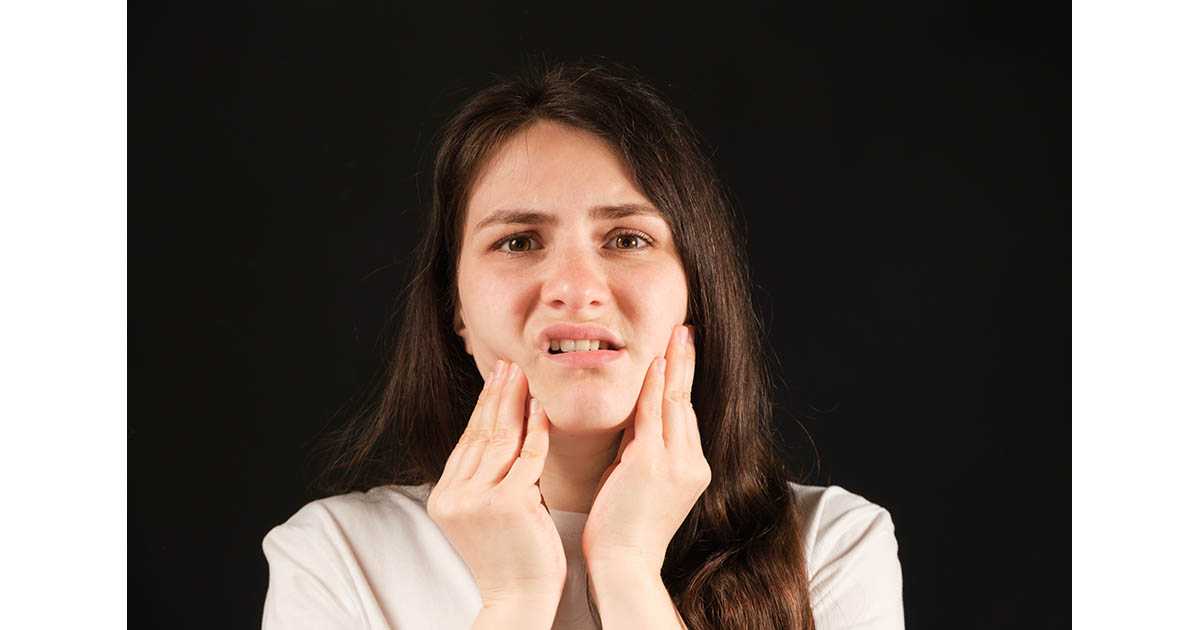
The jaw joint, the muscles, and why it hurts.
Your jaw joint sits just in front of each ear. It is one of the busiest joints in the body, working every time you talk, chew, yawn, or swallow. Inside the joint is a small cushioning disc that lets the jaw glide smoothly. When that disc slips, or when the chewing muscles get overworked and tight, you get the cluster of problems people call TMJ. The medical name is temporomandibular disorder, or TMD. Women are roughly twice as likely to deal with it as men, and it tends to show up between the ages of 20 and 40. Stress, clenching, and grinding are common threads.
Here is the part a lot of offices skip. The first three nerves coming off the top of your neck merge with the main jaw nerve in the same spot in the brainstem. Because they share that wiring, a cranky upper neck can be felt as jaw pain, and a clenched jaw can keep the neck tense. That overlap is exactly why we look at the neck on a jaw complaint, and it is the angle that ties this condition to what we already do every day. If your jaw trouble travels with neck pain or headaches, our neck pain and headache care is usually part of the same plan.
The signs we hear most.
Clicking or popping
A click or pop when you open wide, usually the disc inside the joint slipping and snapping back. Painless clicking on its own is common.
Jaw locking
The jaw catches, won't open all the way, or briefly gets stuck open or closed. This one is worth getting looked at sooner.
Headaches at the temples
Tension that sits over the temples or behind the eyes. The temporalis chewing muscle there stays tight when you clench.
Aching while chewing
Soreness in the cheek and jaw muscles after a meal, or pain that builds through the day if you grind at night.
Ear-area fullness
A plugged or pressured feeling near the ear with no infection. The joint sits right in front of the ear, so it refers there.
Tight, stiff neck
Jaw flare-ups and a stiff upper neck tend to ride together. Treating one without the other often leaves the cycle running.
The jaw and the upper neck share a wire.
Three structures feed into one pain center in the brainstem: the chewing muscles, the temples, and the top of the neck. When any of them stays irritated, the others can light up too. That is the loop we work to quiet.
- Jaw joint (TMJ)clicks, locks, aches in front of the ear
- Masseter & temporalisthe clench muscles that drive temple headaches
- Pterygoidsdeep chewing muscles that limit how wide you open
- Atlas & axis (C1, C2)top neck joints that share nerve input with the jaw
- Trigeminocervical convergencewhere jaw and neck nerves meet and blur
- Forward head postureshifts the jaw's resting position and overworks muscles
Calm the muscles, free the upper neck.
Chiropractic Adjustments
Gentle work on the top neck joints that share nerve input with the jaw.
How it works →Soft-Tissue & Shockwave
Releases stubborn trigger points in the masseter and temporalis.
See the therapy →Class IV Laser
Eases inflammation in an irritated jaw joint and the muscles around it.
See the laser →Posture & Neck Care
Addresses forward head posture that keeps pulling on the jaw.
See neck care →What we do, and what we send to a dentist.
A jaw complaint can come from muscles, from the neck, from the joint's disc, or from the bite itself. Sorting out which is the first job, because it decides who should treat what.
The muscle and neck side, that's us
When the pain is coming from overworked chewing muscles and a tight upper neck, that is squarely in our lane. Dr. Banman uses gentle chiropractic adjustments on the top neck joints, hands-on release of the masseter and temporalis, and laser to calm things down. Most TMJ that we see has a strong muscle component, and that part tends to respond to steady, targeted care.
The bite and the joint disc, that's a dentist
If your bite is off, a tooth is hitting wrong, or the disc inside the joint needs splint therapy or a custom night guard, that is a dentist's call, not ours. We will say so plainly. Grinding at night is a common driver, and a guard from your dentist protects your teeth while we work on the muscles. We are happy to co-manage so you are not bounced between two offices guessing.
What a first visit looks like
We start with the story: when it started, what makes it worse, whether you wake with a sore jaw or a headache. Then Dr. Banman checks how your jaw opens and tracks, presses the chewing muscles to find the tight spots, and examines the upper neck. From there you get a straight read on whether this is something we can help with, whether a dentist should be involved, and what a realistic plan looks like. No pressure, no guesswork dressed up as certainty.
Quick answers.
Can a chiropractor really help with TMJ jaw pain?
Often, yes, when the jaw pain is being driven or worsened by the muscles and the upper neck. The top three neck vertebrae share nerve pathways with the jaw, so tight neck joints and overworked chewing muscles can keep a jaw irritated. Dr. Banman works on those structures with gentle adjustments and soft-tissue release. We do not treat the bite or the joint disc itself, that part is a dentist's job, and we say so.
Why does my jaw click or pop when I open it?
Clicking usually means the small cushioning disc inside the jaw joint is sliding out of place as you open and then snapping back. Painless clicking on its own is common and not always a problem. Clicking that comes with pain, locking, or limited opening is worth having looked at, because the muscles and neck around the joint are often part of the picture.
Why do TMJ problems cause headaches?
The chewing muscles, the temples, and the upper neck all feed into the same pain-processing area in the brainstem. When you clench or grind, the temporalis muscle over your temple stays tense, and that tension is frequently felt as a headache. Calming the jaw muscles and freeing the upper neck is why many patients notice their headache pattern ease as the jaw settles. You can read more on our neck pain and headache page.
Do I need a night guard from my dentist too?
If you grind or clench at night, a custom night guard from your dentist protects your teeth and can lower the muscle load. It pairs well with the muscle and neck work we do. We are glad to co-manage with your dentist so you are not getting conflicting advice from two offices.
How long before my jaw feels better?
It depends on how long the jaw has been irritated and whether grinding is still happening at night. Many patients report the muscle soreness easing within the first few weeks once the neck and chewing muscles are calmer. The goal is steady, lasting change, not a quick patch, so we set realistic expectations at your first visit.
Let's find out what's actually causing your jaw pain.
The quickest path is a phone call. We find the cause first, then tell you straight whether it is ours to treat or a dentist's. If it is not ours, we point you to who can help.