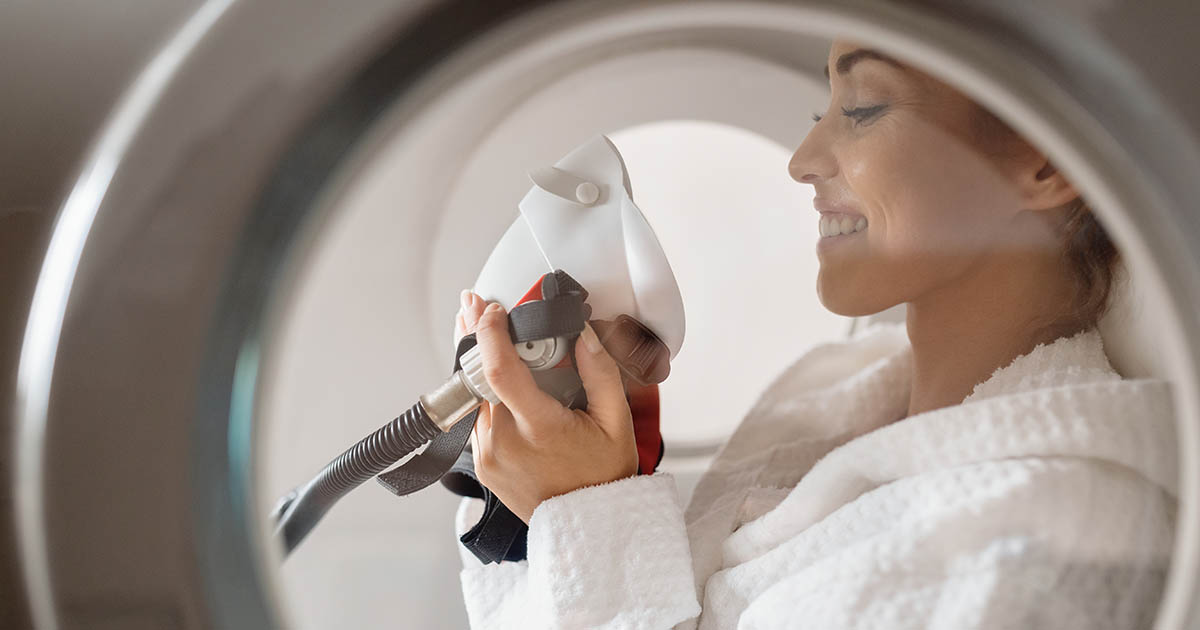


For patients who have tried chiropractic care, physical therapy, cortisone injections, and conservative management over months or years with limited progress, the conversation eventually turns to something different. One option that comes up with increasing regularity is stem cell therapy in Colombia. This is not a fringe idea at this point. It is a structured medical procedure, performed by trained physicians at credentialed facilities, and several hundred American patients travel to Colombia for it every year.
At Spine and Wellness Center Lakewood Ranch, we have a formal partnership with a Colombia-based regenerative medicine program. Dr. Banman works directly with patients before and after the procedure to coordinate care, confirm candidacy, and integrate the cellular therapy into a broader recovery plan. This article explains what that looks like from the patient's perspective.
Why Patients With Chronic Pain Look Beyond Standard Care
Most people who explore regenerative travel are not impulsive. They have typically been dealing with a chronic condition for one to five years. They have had imaging done. They understand their diagnosis. And they have already completed at least one full course of conservative care without achieving the level of improvement they were hoping for.
The conditions we most commonly see in this population include:
- Moderate to severe knee osteoarthritis, particularly where joint replacement has been discussed but the patient wants to exhaust non-surgical options first
- Hip osteoarthritis with significant cartilage loss
- Chronic disc injuries with persistent nerve involvement that has not fully resolved with decompression and rehabilitation
- Shoulder pathology including rotator cuff degeneration or labral damage
- Systemic inflammatory conditions affecting multiple joints
What drives them to look beyond what is available locally is usually a combination of two things: the cost differential between Colombia and comparable US clinics is substantial, and the physician network in Colombia has accumulated significant experience performing these procedures over more than a decade.
What Stem Cell Therapy Actually Does
Stem cell therapy in this context refers to procedures that introduce biologic material, typically derived from the patient's own body or from carefully screened donor sources, into damaged tissue to support the body's natural repair processes. Dr. Banman offers consultations about regenerative medicine. These procedures are not performed at our Lakewood Ranch office.
The goal of these approaches is to introduce biologic signals that may reduce inflammation, support tissue remodeling, and improve the environment around the damaged structure. These procedures do not rebuild cartilage overnight and they are not a substitute for rehabilitation. Individual responses vary considerably.
Regenerative medicine works with your body's existing repair capacity. The procedure introduces the signals; the recovery period is when the biology happens.
Why Colombia Has Become a Destination for Regenerative Medicine
These procedures are not performed at our Lakewood Ranch office. Dr. Banman explains how the program works, and who is involved, at your consultation.
Quality does vary between clinics. The facilities in our partner network have been personally vetted by Dr. Banman, carry appropriate accreditation, use laboratory-verified biologic materials, and have transparent intake and follow-up protocols. We do not refer patients to clinics we have not reviewed directly.
Who Tends to Be a Good Candidate
Candidacy is determined through a structured evaluation before any travel is booked. Not every patient who asks about stem cell therapy is appropriate for it, and identifying poor candidates before the procedure is as important as identifying good ones. Generally, the evaluation looks at several characteristics:
- Age and tissue quality: Very advanced joint destruction (Kellgren-Lawrence grade 4 with bone-on-bone contact) leaves less viable tissue for the biologic signals to work with.
- Absence of active infection or systemic autoimmune disease in active flare: These conditions can interfere with the procedure's effectiveness and may increase risk.
- Non-smoker or minimal smoking history: Smoking impairs the vascular and cellular environment that regenerative procedures rely on.
- Commitment to the rehabilitation window: The three to six months following the procedure are critical.
- Realistic expectations: Regenerative therapy is not a cure for structural degeneration.
For disc-related conditions, candidacy assessment also includes evaluating whether spinal decompression and other conservative care has been appropriately exhausted first, since many disc cases that appear to need biologic intervention improve substantially with a proper decompression protocol before any travel is considered.
What the Process Looks Like From Start to Finish
Patients who go through our program follow a structured sequence rather than simply booking a flight and showing up at a clinic. Here is how it typically unfolds:
- Initial evaluation at our Lakewood Ranch office: Dr. Banman reviews the patient's imaging, history, prior treatments, and current functional status. If the patient appears to be a viable candidate, a detailed candidacy report is prepared for our Colombia partners.
- Consultation with the Colombia physician team: The partner clinic reviews the report and either confirms candidacy, requests additional imaging, or declines and explains why. This step filters out patients who are not appropriate before any travel is booked.
- Pre-procedure preparation: Depending on the protocol, patients may complete specific nutritional preparation, medication adjustments (particularly for anti-inflammatories that can blunt the biologic response), or a pre-procedure round of supportive therapies at our office.
- Travel and procedure: The procedure itself is typically performed over two to five days depending on the protocol. Patients generally spend one to two weeks in Colombia total. The Colombia team manages all clinical aspects during this window.
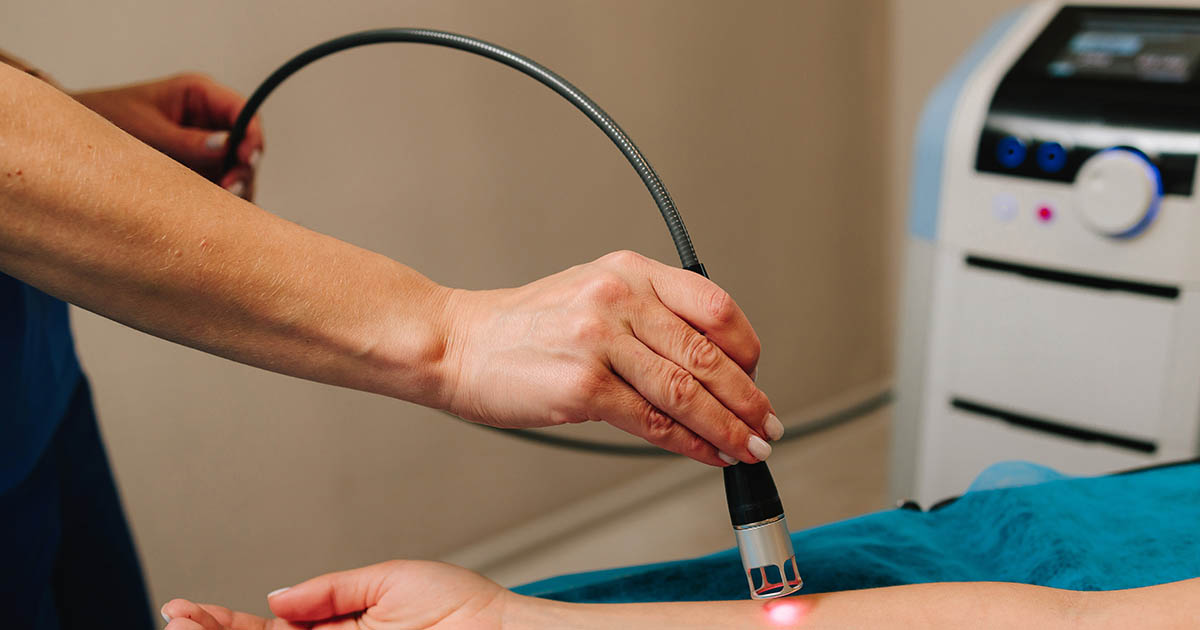
- Return and structured follow-up: This is where our role becomes primary again. Post-procedure rehabilitation, monitoring for expected response patterns, and integration of supportive therapies such as spinal decompression for disc cases or Class IV laser for joint cases all happen at our Lakewood Ranch office over the following months.
How Dr. Banman Supports the Full Care Continuum
The Colombia procedure is one component of a longer care arc. What happens before the trip and after the return often determines whether the biologic intervention reaches its potential. Dr. Banman's role in this program is built around that reality.
Before the procedure, the focus is on optimizing the patient's tissue environment: addressing compensatory movement patterns that are loading the damaged structure abnormally, reducing background inflammation through appropriate therapeutic modalities, and establishing a baseline so that post-procedure changes can be objectively tracked.
After the return, the focus shifts to supporting the remodeling window. In joint cases, this typically involves controlled loading protocols and Class IV laser. In disc cases, it often includes continued spinal decompression to maintain the hydration and nutrition gradients that support disc tissue. In cases with significant nerve involvement, the ReBuilder neuropathy protocol may be incorporated to support nerve function recovery.
Our goal in each case is a care plan that treats the Colombia procedure as a catalyst, not a conclusion. The patients who do best are those who approach the full program with the same commitment they brought to deciding to travel in the first place. If you are interested in our regenerative medicine program, the first step is a candidacy evaluation at our office.
Questions Patients Ask Before They Go
Is it safe? Like any medical procedure, it carries risk. Dr. Banman goes over the options and the risks with you in person.
Will insurance cover it? In most cases, no. Regenerative procedures of this type are considered investigational by most US insurers regardless of where they are performed. Patients should plan for this as an out-of-pocket expense.
How long before I see results? Results vary a lot from person to person, and no one can guarantee them. Dr. Banman will tell you honestly whether you are a candidate.
Can I combine this with other treatments at your office? Yes, and in most cases we recommend it. Therapies like regenerative medicine, laser, and spinal decompression work through different mechanisms and are designed to complement each other rather than compete. Dr. Banman structures the post-procedure plan around the specific combination that fits the patient's condition and response.