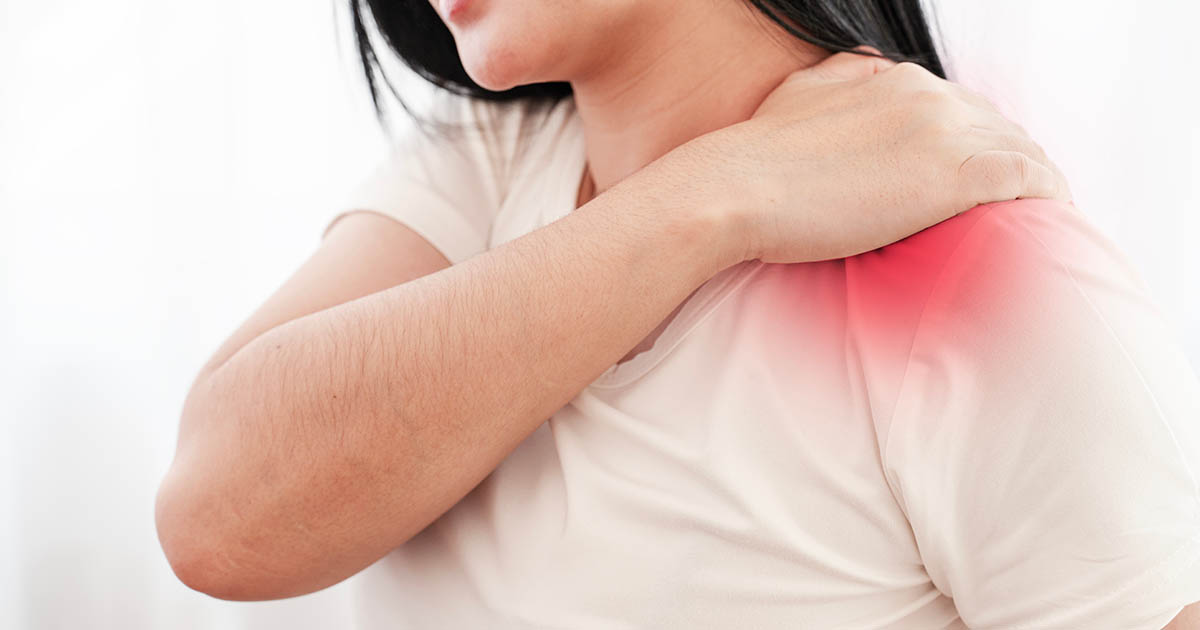

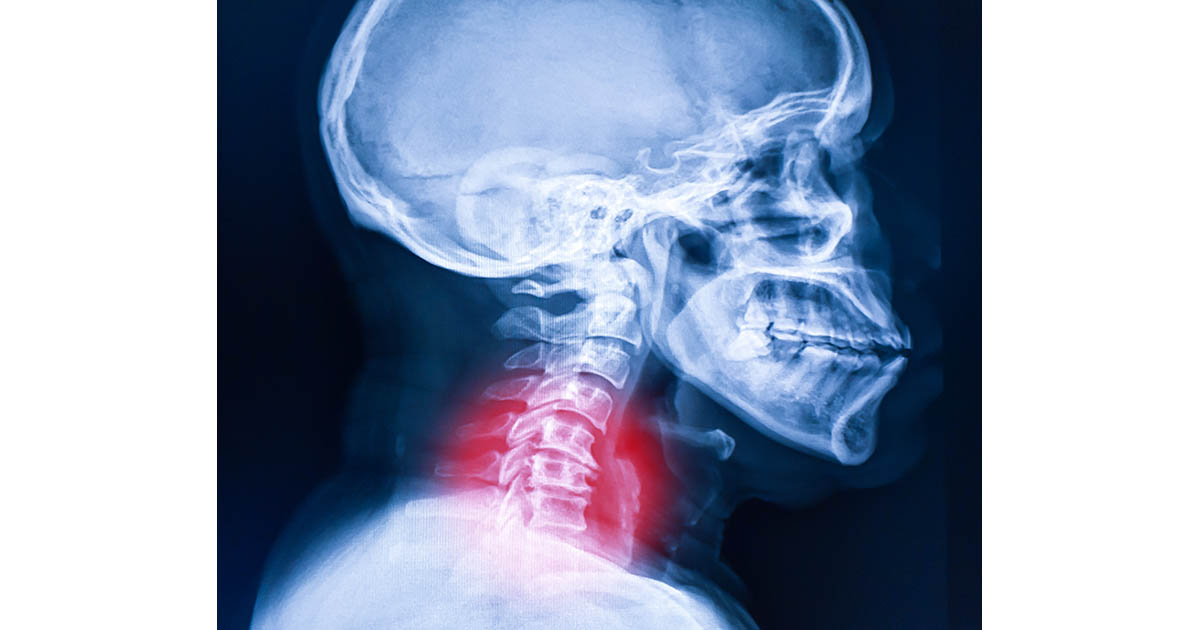
You walked out of the imaging center with a report that uses words like "foraminal stenosis" and "cord signal change" and "degenerative disc disease at C5-C6." The radiologist's summary says moderate to severe narrowing. Your primary care physician said something about watching it. Now you are Googling at midnight because your right hand keeps going numb and you dropped your coffee mug this morning.
That is the moment a lot of patients in Lakewood Ranch show up at our office. Not because the MRI was immediately alarming, but because nobody translated the report into anything they could act on. Cervical stenosis is one of the most common findings in adults over 50, and the range of what it actually causes, from mild intermittent tingling to serious neurological involvement, is wide. The sooner you understand where on that range you fall, the clearer your options become.
If you are dealing with neck pain, radiating arm symptoms, or headaches and your imaging shows canal narrowing, this post covers what you need to know before your next appointment.
What "Narrowing" Actually Means in Your Cervical Spine
Your cervical spine is the seven vertebrae in your neck, labeled C1 through C7. Running through the center of those vertebrae is the spinal canal, a tube of bone that protects the spinal cord. Branching off the cord at each level are nerve roots that exit through small openings called foramina. Those nerve roots become the nerves that power and sense everything in your arms, hands, and shoulders.
Cervical stenosis means the space inside that tube, at the canal or at the foramina, has narrowed enough to put pressure on something. That "something" is either a nerve root (causing radiculopathy) or the spinal cord itself (causing myelopathy). The distinction matters because the two conditions behave differently, respond differently to care, and carry different levels of urgency.
The narrowing itself usually comes from one or a combination of these:
- Bone spurs (osteophytes): Your body lays down extra bone around stressed or worn disc spaces. Those spurs can project into the canal or foramina.
- Disc herniation or bulge: The disc between two cervical vertebrae pushes backward into the canal or laterally into the foramen.
- Ligament thickening: The ligamentum flavum, which lines the back wall of the canal, can thicken and buckle inward over time.
- Congenital narrow canal: Some people are born with a narrower-than-average canal. Their tolerance for any additional narrowing is lower.
The MRI shows all of these in soft tissue detail. The X-ray shows bone spurs and disc space height (or the loss of it). Neither tells you how much the narrowing is actually bothering you. Symptoms are what drive the clinical picture.
Radiculopathy vs. Myelopathy: The Distinction That Changes Everything
Cervical radiculopathy means a nerve root is being compressed at the level where it exits the spine. The nerve root carries signals to a specific destination, so when it is irritated, the symptoms follow that specific route. C6 compression tends to cause pain or numbness in the thumb and index finger. C7 compression tends to cause symptoms in the middle finger and down the back of the forearm. C8 affects the ring and little finger. Each level has a predictable map.
Common radiculopathy symptoms include:
- Sharp or burning arm pain that follows a line from the neck down to the hand
- Numbness or tingling in specific fingers (not the whole hand)
- Arm weakness that is selective (difficulty extending the wrist, for example, rather than general arm weakness)
- Pain that worsens when you tilt or rotate your head toward the affected side
- Relief when you place the arm overhead (takes tension off the nerve root)
Cervical myelopathy is different, and it is more serious. Myelopathy means the spinal cord is being compressed, not just a nerve root. The cord is the master cable. When it is compressed, the signals that control your arms, legs, bladder, and balance can all be affected. Myelopathy does not always announce itself dramatically. Many patients describe a gradual clumsiness: dropping objects, buttoning shirts has become harder, the stairs feel less steady.
Myelopathy warning signs include:
- Weakness or clumsiness in both arms or both legs (bilateral symptoms are a red flag)
- Balance problems or a feeling of heaviness in the legs when walking
- A hand grip that has noticeably weakened over months
- Lhermitte's sign: an electric shock sensation down the spine or into the arms when you flex your chin toward your chest
- Any loss of bladder or bowel control
If you have bilateral arm and leg symptoms, sudden loss of grip strength, balance changes, or any bowel or bladder dysfunction, that is a prompt for urgent evaluation, not a wait-and-see situation. These findings may indicate cord compression requiring surgical consultation rather than conservative care alone.
Radiculopathy and mild-to-moderate stenosis without myelopathy are the territory where conservative care, including what we do at our Lakewood Ranch office, can make a real difference. If your neurological exam raises myelopathy concerns, the appropriate first step is a neurosurgical consult to understand the risk of cord injury before starting any manual therapy. We refer those patients appropriately. That is what 23 years in clinical practice looks like.
What the C-Levels Mean: Matching Symptoms to Location
Radiologists typically report stenosis by level. Here is how the levels relate to symptoms in practice:
C3-C4: Less common. Can produce neck pain, suboccipital headaches, and some shoulder pain. Rarely causes arm or hand symptoms.
C4-C5: Affects the C5 nerve root. Shoulder weakness is the hallmark (difficulty abducting the arm, raising it to the side). Tingling in the upper arm. Rarely involves the hand.
C5-C6: The most common level. C6 nerve root involvement produces symptoms in the lateral forearm, thumb, and index finger. Weakness with wrist extension. This is the level most people mean when they say "my hand goes numb."
C6-C7: The second most common level. C7 nerve root involvement produces symptoms in the middle finger, triceps weakness, and reduced triceps reflex. Pain often runs down the back of the arm.
C7-T1: C8 nerve root involvement. Ring and little finger numbness. Intrinsic hand muscle weakness (the small muscles that control fine motor movement). If you are having trouble with fine motor tasks, this level deserves attention.
A skilled physical or neurological exam can often localize the level before the MRI report is even open. The reflexes, strength patterns, and sensory distribution tell the story. Imaging confirms it.
How Conservative Care Addresses Cervical Stenosis
The goal of conservative care for cervical stenosis without myelopathy is to reduce pressure on the compressed structure, calm the inflammatory response around it, and restore as much functional range as possible. None of that reverses the structural narrowing on an X-ray. But the narrowing itself is not always what hurts. It is the inflammation, the nerve irritation, and the mechanical load through a compromised segment that drives daily symptoms. Those respond to treatment.
For patients whose primary issue is a pinched nerve in the cervical spine, we look at:
Cervical traction and spinal decompression: Gentle mechanical distraction of the cervical segments reduces intradiscal pressure, widens the foramina, and takes load off compressed nerve roots. This is different from aggressive manipulation at a compromised level. The spinal decompression protocols we use are computer-controlled and precisely targeted. In our experience, patients with C5-C6 or C6-C7 radiculopathy often report meaningful arm-pain reduction within the first several sessions.
Class IV laser therapy: Photobiomodulation penetrates to the depth of the nerve and disc structures. The clinical goal is to reduce the inflammatory load around a compressed root, which can make traction more effective and reduce the nerve sensitization that turns mild compression into severe pain.
Soft tissue and muscular work: The muscles around a stenotic segment often tighten protectively. That guarding compresses the segment further. Releasing the suboccipital muscles, scalenes, and levator scapulae takes some of that compressive load off.
Postural correction: Forward head posture adds approximately 10 pounds of compressive force per inch the head migrates forward. For a patient whose canal is already narrowed, that additional load is significant. Correcting screen ergonomics, sleep position, and the forward head posture pattern described in our tech neck post is part of every cervical stenosis management plan here.
EMS and stabilization: Building the deep cervical flexors and the muscles that stabilize the cervical spine reduces the mechanical instability that aggravates stenotic levels. We use electrical muscle stimulation to help recruit muscles that have switched off due to chronic pain.
What Conservative Care Cannot Do
Honesty here matters. Conservative care does not widen a canal. It does not remove a bone spur. It does not shrink a significantly herniated disc that is actively compressing the cord. When myelopathy is progressing, when you are losing function in your hands or legs month over month, or when the cord signal change on MRI is active, surgical decompression is often the right path. We do not compete with that recommendation.
What conservative care can do is manage the majority of patients who have stenosis and radiculopathy without myelopathy, keep them out of surgery that was not necessary, and rehabilitate the function that was lost before the compression was addressed. Many patients we see had a surgical recommendation that came with a one-year waiting list. Conservative care got them to that point without additional nerve damage, and in some cases resolved the symptoms enough that they chose not to have the surgery at all. That is not a claim about what will happen for you. It is a description of what we have seen over 23 years at this clinic.
How We Approach a First Evaluation
When a patient comes in with a cervical stenosis diagnosis and arm symptoms, the first visit is a clinical exam, not a treatment. We review the imaging (bring your MRI disc if you have it), test reflexes and strength by dermatome, check for myelopathy signs, and map the symptom distribution. That tells us whether conservative care is appropriate for your presentation, and if so, which approach to start with.
If there are any neurological signs that concern us, we refer before treating. That is the protocol. Cervical stenosis with myelopathy and cervical stenosis with radiculopathy are not the same clinical problem, and they do not get the same response.
For patients in Lakewood Ranch, Bradenton, and the Sarasota corridor, we typically have same-week availability for new patient evaluations. The phone number is (727) 213-2982.