

The pattern repeats every year. A patient calls on July 5th or 6th with pain that started sometime during or after the holiday weekend. They weren't in an accident. They didn't lift anything obviously heavy. The explanation is usually some combination of: sitting on the ground for fireworks, hauling the cooler from the truck, playing with kids in the pool, and a four-hour drive home. None of those things sounds particularly dangerous on its own. Together, they loaded a spine that was already operating close to its limit.
If you already deal with lower back pain, the 4th of July weekend is one of the riskier stretches of the year. Understanding why makes it possible to enjoy the holiday without paying for it on Monday morning.
Why Your Disc Is Already Under Pressure Before the Party Starts
The lumbar discs between your lower vertebrae act as hydraulic shock absorbers. They handle load through a combination of a fibrous outer ring (the annulus) and a gel-like center (the nucleus pulposus). How much pressure the disc is under at any moment depends almost entirely on body position and activity.
Research from Nachemson's classic intradiscal pressure studies gives us the numbers: lying flat, your L3 disc is at roughly 25 kilograms of pressure. Standing adds about 100 kg. Sitting upright brings it to 140 kg. Sitting slumped forward at a 30-degree lean pushes it to around 185 kg. Now add carrying a 40-pound cooler in a flexed position, and you are layering a mechanical insult onto a structure that was already stressed.
For most people, the disc handles these loads without incident, day after day. But if you have an existing disc bulge, a partially torn annulus, or a disc that's been quietly dehydrating from years of sitting-heavy work, that same load combination that used to be fine crosses a threshold.
How the 4th of July Loads the Spine Differently Than a Workday
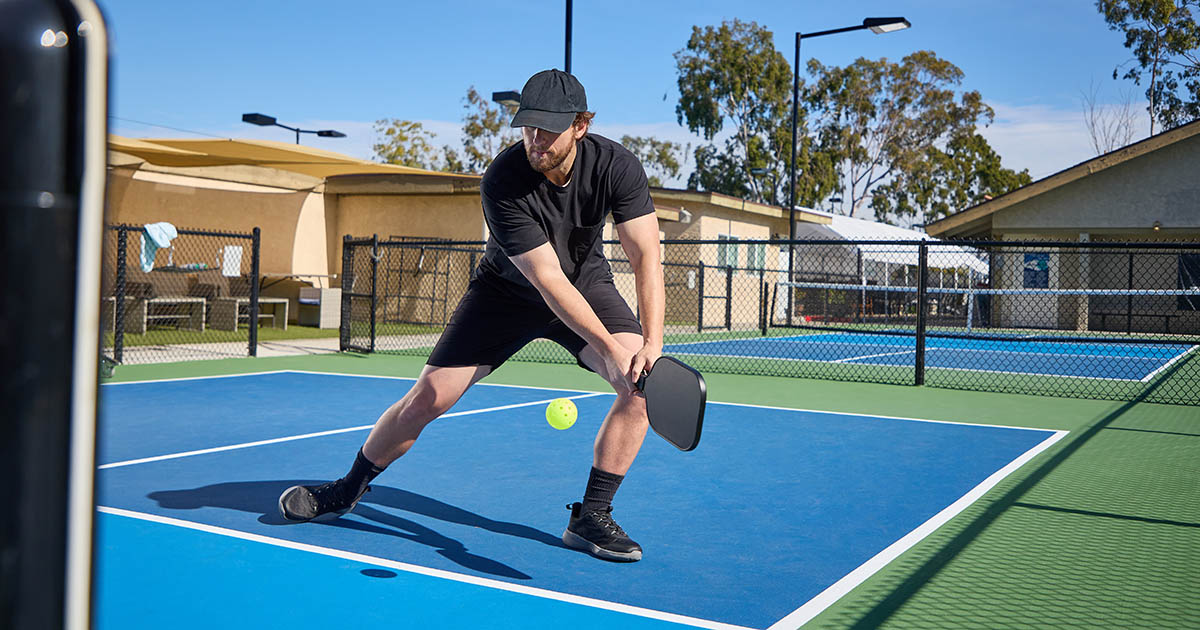
Your spine adapts to routine. If you sit at a desk five days a week, your muscles and connective tissue are calibrated for that load pattern. A holiday weekend disrupts that calibration in two directions at once: you often do far more physical activity than usual (pool, yard games, carrying gear), and you do it in sustained postures your spine almost never encounters on a normal Tuesday (floor sitting for an hour, squatting to a low lawn chair, bending repeatedly over a cooler at hip height).
Florida summer adds a third variable. Heat and humidity drive fluid loss faster than most people realize. The intervertebral discs get their nutrition through a diffusion process that depends on hydration. Dehydrated discs are stiffer, less able to absorb shock, and more vulnerable to annular stress under load. A day at an outdoor cookout in July heat, drinking beer and soda instead of water, sets the disc up for a bad morning the next day.
The disc doesn't always hurt when you're loading it. The adrenaline of a cookout, the fun of playing with kids, the distraction of a fireworks show: all of those dampen pain signals in real time. The bill often comes the next morning, when you try to get out of bed.
The Five Holiday Activities That Hit the Spine Hardest
Not all 4th of July activities carry equal risk. These five are the ones we see most consistently driving the post-holiday flare.
1. Sitting on the ground for fireworks
Floor sitting with your legs crossed or straight out in front of you puts the lumbar spine in sustained flexion. With no back support, the paraspinal muscles have to work isometrically just to hold your torso upright. After 30 to 60 minutes, fatigue sets in and the posture collapses further into flexion. That sustained posterior disc loading is exactly the mechanism that drives disc material toward the nerve roots.
A stadium seat, a low folding chair with back support, or even a rolled blanket behind the low back changes the position enough to unload the posterior disc significantly. If you are already managing a disc problem, the ground is not the place to watch the show.
2. Cooler and gear hauling
Moving a 40- to 60-pound cooler from the car to the picnic area typically involves the worst possible combination: a heavy load, a bent-over posture, an asymmetric grip, and a walking surface that isn't level. The lumbar discs don't object to weight, but they strongly object to weight combined with a flexed spine and rotation.
The fix is carrying the cooler with both handles (or with a handle on each end, shared with another person), keeping the spine long rather than bent, and bending from the knees rather than the waist on the way up from the ground.
3. Lifting and holding kids for extended periods
A 25-pound toddler creates closer to 100 to 150 pounds of force on the lumbar disc when you're holding them out in front of you with your arms extended, or picking them up repeatedly from a low height. The holiday weekend means those repetitions add up fast: out of the pool, into the car seat, onto your shoulders for the fireworks view. We have a full breakdown of this in our post on lifting grandkids without wrecking your low back.
4. Water sports and pool play
Swimming is generally low-impact, but ocean waves and pool horseplay are different. Wave resistance involves unpredictable loads on an already-fatigued lumbar spine. Jumping repeatedly in a pool, catching people, or being thrown off a float all involve spinal compression and rotation without the body braced for it.
5. Holiday road travel
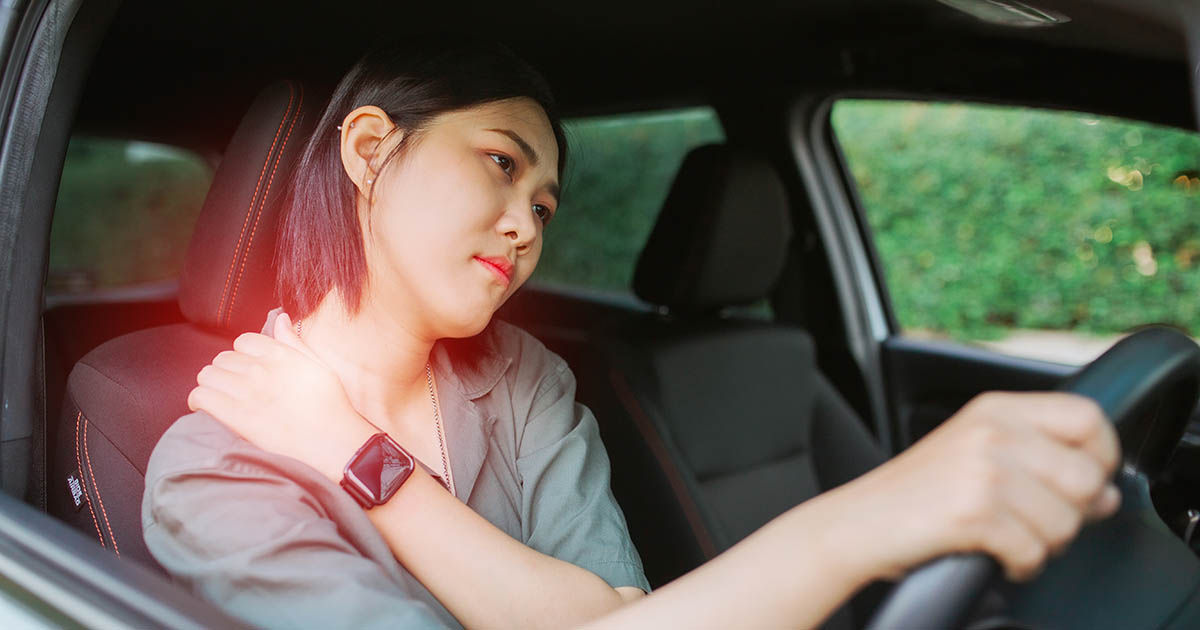
If you're driving to or from a family event, the I-75 / I-4 corridor adds hours of seated, vibrated disc loading. Sustained driving compresses lumbar discs and shortens the hip flexors simultaneously, leaving the spine in a worse mechanical position when you finally get out of the car. We covered this in detail in our piece on long drives on I-75 and what they do to your spine. The short version: stop every 90 minutes, walk for five minutes, and avoid the seat reclined beyond a 15-degree tilt.
Why Post-Holiday Back Pain Is Often a Disc Problem
When patients come in the week after a holiday weekend with new or worsened back pain, a disc issue is the most likely driver. The pattern is recognizable:
- Pain that is worse in the morning when getting out of bed
- Stiffness that loosens after about 20 to 30 minutes of moving around
- Pain that spikes when transitioning from sitting to standing
- Occasional referral into the buttock or leg (often dismissed as muscle soreness)
- A clear worsening the day after a physically active day, rather than during it
That last point is important. The delay is a classic disc hallmark. The mechanical stress loads the disc during activity. The inflammatory response that drives the pain signal builds overnight. By morning, everything is stiff, swollen, and unhappy.
If the pain pattern fits a herniated or bulging disc, conservative care can often address it before it progresses. The key is not waiting it out for two or three weeks and hoping it resolves. Many disc-based flares do settle with time, but the ones that linger past six weeks have typically had enough time to develop scar tissue and nerve sensitization that makes them harder to address later.
When to Get Evaluated, Not Just Rest
Some back tightness after a physically active weekend resolves with a day or two of lighter activity, good hydration, and avoiding the positions that aggravate it. That is normal. These are the signs that you should call rather than wait:
- Pain down one or both legs, especially below the knee
- Numbness, tingling, or weakness in the foot or calf
- Pain that gets noticeably worse rather than gradually better over 72 hours
- Bladder or bowel changes (this is an emergency; go to the ER)
- Pain so severe you cannot find any comfortable position
Leg symptoms in particular are worth taking seriously. They indicate the disc material has reached nerve root territory, which means the mechanical problem is beyond simple muscle soreness. Non-surgical spinal decompression is one of the first tools we reach for when the clinical picture points to disc involvement with nerve root pressure, because it creates negative intradiscal pressure that can pull disc material away from the nerve.
How to Protect Your Spine Over the Holiday Weekend
You don't have to skip the cookout. These adjustments make a real difference:
- Bring a chair, not just a blanket. A folding chair with back support for the fireworks costs nothing and saves your posterior discs an hour of sustained flexion.
- Split the cooler load. Divide the weight between two smaller coolers, or carry one end each with a partner. Keep your spine long on the lift.
- Drink water, not just beverages. In Florida July heat, you are losing fluid faster than you feel thirsty. Two to three liters across the day is a reasonable baseline; more if you are active.
- Break up the drive. Stop every 90 minutes on long trips. Five minutes of walking and a brief standing stretch reset the disc pressure that builds from sustained seating. Set a timer so you actually do it.
- Don't cool down cold. Jumping from air conditioning to 90-degree heat and back repeatedly causes muscle temperature swings that reduce tissue resilience. If you are doing something physical outdoors, give the body a few minutes to transition.
- Limit the floor-squat repetitions. Picking things up from the ground ten times in a row in a bent-knee squat is fine. Doing it 60 times over the course of a day, when your legs are already tired from swimming, adds up.
Most of this is simple mechanics, not medical intervention. The disc doesn't know it's a holiday. It just knows what position it's in and how much load is on it.
What to Do if the Pain Is Already Here
If you are reading this on July 5th or 6th with a back that is already unhappy, the first 48 hours are about reducing the inflammatory load:
- Avoid sustained floor sitting and forward-bent postures
- Ice (not heat) on acute flares in the first 24 to 48 hours, 15 to 20 minutes at a time
- Walk slowly and gently rather than resting completely flat; complete rest is not as helpful as gentle movement
- Avoid heavy lifting and rotational activities until the acute phase settles
If the pain is not settling within 48 to 72 hours, or if any of the red flags above are present, that is the time to call. In our Lakewood Ranch office, we can usually get post-holiday evaluations in within 24 hours. The exam tells you whether you are dealing with muscle strain (which is self-limiting) or a disc issue that is going to need a plan. Knowing the difference saves a lot of time and a lot of pain.