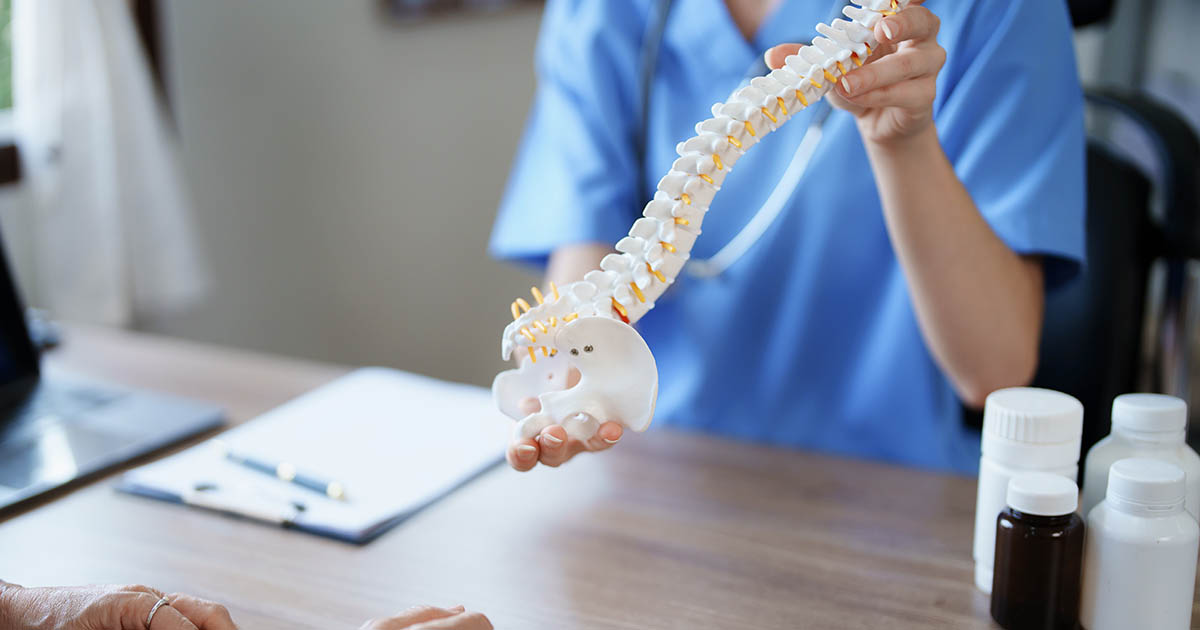


At our Lakewood Ranch office, one of the most common questions we hear after a patient gets their MRI results goes something like this: "My pain management doctor is recommending an epidural shot, but I also heard about spinal decompression. Which one should I do?" Sometimes they have already had the shot and want to know what comes next. Sometimes they are trying to decide whether to do the injection at all.
The short version: spinal decompression and epidural steroid injections are not interchangeable. They do not treat the same thing, they do not work the same way, and in many disc cases, they are not even in competition with each other. Understanding the difference is what lets you make a rational decision instead of flipping a coin.
For patients with a diagnosed disc herniation, bulge, or nerve compression, non-surgical spinal decompression in Lakewood Ranch is one of the most direct structural options available without surgery. Here is what it means in practice, how it compares to an epidural, and how to think about which fits your situation.
What Is Non-Surgical Spinal Decompression?
Spinal decompression, as we use the term here, refers to motorized traction delivered on a specialized computerized table (our office uses the DRX9000 system). The table applies a controlled pulling force along the axis of your spine, alternating between tension and relaxation in a cycle your body does not resist with muscle guarding.
The physics matter. When the disc is under tension in a specific angular position, the intradiscal pressure drops. That negative pressure creates a gentle suction effect, which can draw bulging disc material back toward the center and allow nutrients and fluid to re-enter a dehydrated disc. Over a course of sessions, many patients see measurable reduction in the disc bulge or herniation on follow-up imaging.
A single session lasts about 20 to 30 minutes. For a disc herniation causing leg pain, most protocols run 15 to 20 sessions, typically over 6 to 8 weeks. We combine decompression with other supportive modalities as appropriate: Class IV laser to address soft-tissue inflammation around the nerve, electrical muscle stimulation to prevent compensatory muscle guarding, and specific exercises to stabilize the segment as the disc responds.
The key phrase is structural. Decompression addresses the physical source of the nerve pressure. It does not mask symptoms; it works on the disc itself.
What Is an Epidural Steroid Injection?
An epidural steroid injection (ESI) is administered by a pain management physician or interventional radiologist, usually under fluoroscopic (X-ray) guidance. A corticosteroid, typically betamethasone or triamcinolone, is injected into the epidural space: the fatty tissue just outside the membrane surrounding your spinal cord.
The steroid reduces inflammation around the compressed nerve root. When a disc herniates, the disc material releases inflammatory chemicals that irritate the nerve and contribute significantly to the pain, numbness, and burning you feel down your leg or arm. The injection quiets that chemical inflammation.
What it does not do: move the disc, reduce the herniation, restore disc height, or address the biomechanical cause of the nerve compression. The disc is still pressing on the nerve after the injection. The inflammation around that compression is reduced, which can produce meaningful pain relief for weeks to months. But if the structural problem persists and the inflammatory cycle restarts, so does the pain.
Most insurance plans cover ESI for documented radiculopathy. The effect can last anywhere from a few weeks to several months. Most pain management protocols allow three injections per year at a given spinal level, though recommendations vary by provider and clinical picture.
An epidural steroid injection is an anti-inflammatory tool. Spinal decompression is a structural tool. In many disc cases, both inflammation and pressure are present, which is why neither treatment alone covers everything for every patient.
How Each Works on a Disc Herniation
The distinction becomes clearer when you look at what each one is actually doing to the tissue.
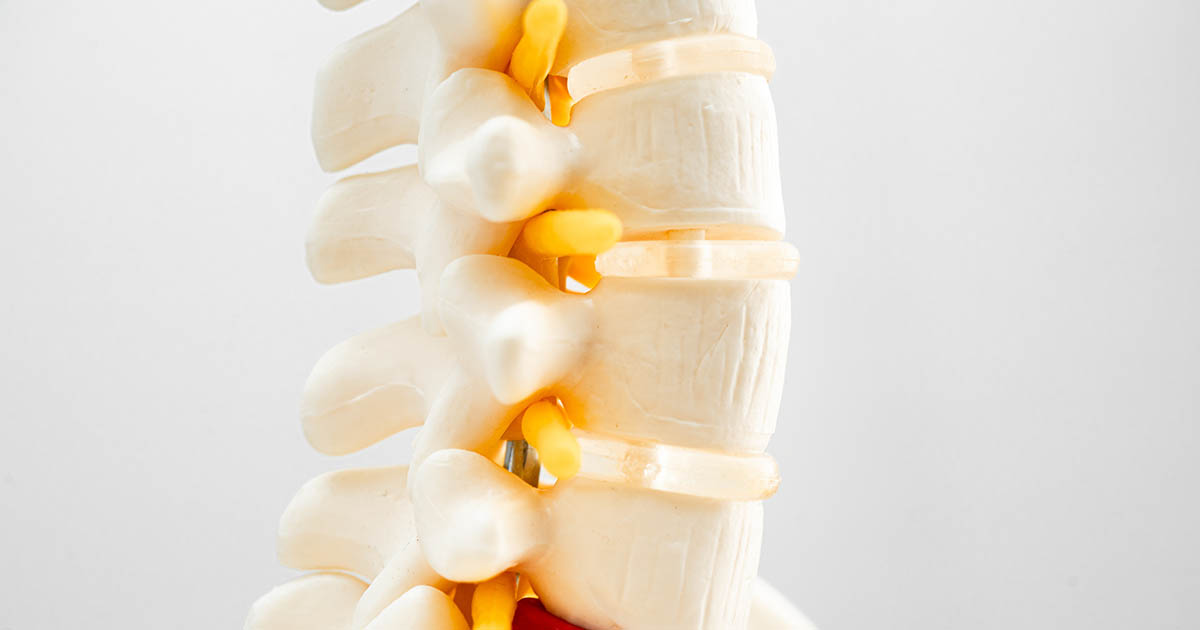
A disc herniation has two components that cause pain. First, there is the mechanical compression: the disc material pressing directly on a nerve root. This causes the characteristic shooting pain, numbness, or tingling that follows the nerve's path down your leg (in lumbar herniations) or arm (in cervical herniations). Second, there is the chemical inflammation: the nucleus pulposus material leaking into the epidural space contains inflammatory cytokines that cause direct nerve irritation independent of the mechanical pressure.
Spinal decompression targets the mechanical component. By reducing intradiscal pressure, the goal is to reduce the physical pressure on the nerve. Epidural steroids target the chemical component. They suppress the inflammatory response around the nerve root.
This is why many experienced clinicians see these as sequential rather than competitive treatments: reduce the inflammation so the patient can tolerate the decompression, then use decompression to address the underlying structural problem. The sequence matters, and your imaging and symptom severity determine the best order.
Who Is Each Option Right For?
There are patterns that tend to point toward one option or the other. These are general frameworks, not clinical prescriptions, and your specific case requires a provider who has actually reviewed your imaging and examined you.
Spinal decompression tends to fit when:
- Imaging shows a disc herniation, bulge, or disc-related stenosis (not bony stenosis)
- Symptoms follow a nerve-root pattern (sciatica, cervical radiculopathy) rather than diffuse low back pain
- The patient has not had prior spinal fusion at the affected level
- Pain is chronic or subacute (weeks to months), not in an acute severe flare
- The patient wants to address the structural source rather than manage symptoms long-term
An epidural steroid injection tends to fit when:
- There is severe acute radiculopathy where the pain is preventing any movement or sleep
- A short-term reduction in inflammation is needed before beginning a structured care plan
- The patient has failed conservative care and needs a bridge to more active treatment
- Imaging confirms active nerve root inflammation at a specific level
For sciatica caused by a lumbar disc herniation, many patients in our office have done well with decompression either as a first-line approach or following one ESI that took the edge off the acute pain. For cervical herniations causing arm symptoms, the calculus is similar. For general low back pain without clear nerve root involvement, neither approach is the first choice: the diagnosis drives the tool.
What the Research Shows
Both treatments have published evidence. Neither is experimental.
For epidural steroid injections, the research is robust on short-term pain reduction in acute radiculopathy. A 2015 JAMA systematic review found that ESI provided modest short-term pain relief and functional improvement compared to placebo, with the effect diminishing significantly at 3 months and beyond. The evidence for long-term outcomes is less compelling.
For non-surgical spinal decompression, several peer-reviewed studies show meaningful reduction in disc herniation size and pain scores over a course of treatment. A 2001 study published in the Journal of Neurological Research showed radiographic evidence of disc reduction in over 80% of patients completing a decompression protocol. Many patients in our office who complete a full course report sustained improvement well beyond the treatment period.
None of this guarantees outcomes for any individual. Disc cases are not identical, and two patients with the same MRI finding can respond very differently. What the research does support is that both options are legitimate, evidence-based approaches to different aspects of the same problem, and that combining them under a coordinated plan often outperforms either alone.
The Sequencing Question
If a patient has already had an ESI and is still in significant pain, that does not mean the injection "failed." It may mean the inflammatory component has been addressed and what remains is primarily the structural compression, which requires a structural solution.
The concern with relying on repeated ESIs alone: each injection provides temporary relief while the disc continues pressing on the nerve. Without addressing the structural component, the inflammatory cycle restarts as the steroid wears off. Many patients find they need injections more frequently over time, and there is a ceiling on how many a provider will do at any given level in a calendar year.
For patients who are coordinating care with a pain management doctor, we work alongside that team. If a patient is considering a third ESI because the second one wore off in six weeks, that is often the right moment to add decompression to the plan rather than simply waiting for the next injection slot.
See also: what non-surgical spinal decompression actually does for a detailed walkthrough of the session-by-session process. And for patients who have a confirmed herniated disc, the full range of non-surgical treatment options may help frame the bigger picture before any single decision is made.
What We Evaluate Before Recommending Either
When a patient comes into our Lakewood Ranch office after an MRI showing disc pathology, our evaluation covers several things before we make any recommendation.
First, the imaging. Not all disc herniations respond the same way to decompression. We look at the type (central, paracentral, foraminal), the level, whether there is endplate involvement, and whether the disc is still hydrated enough to respond to pressure changes. A severely desiccated disc at L5-S1 with advanced degenerative changes is a different conversation than a recent acute herniation at L4-L5 in a 40-year-old.
Second, the symptom picture. How long has this been going on? Is the leg pain worse than the back pain? Are there any red flag neurological symptoms that need a different kind of evaluation? Has there been any prior spine surgery at the affected level?
Third, what the patient has already tried. If someone has already had one or two ESIs and gotten good but short-lived relief, that tells us something about the inflammatory component versus the structural component of their case.
We do not position ourselves as a replacement for the pain management doctor. Many of our patients continue seeing both. What we offer is a structural treatment that addresses the part of the problem that anti-inflammatories cannot reach. In our experience with disc cases over the past 23+ years, the patients who do best are those who treat both components, not just one.
If you are in Lakewood Ranch, Bradenton, or Sarasota and trying to figure out whether spinal decompression makes sense for your disc injury, call us at (727) 213-2982 or book a visit at the link below. A single consultation will tell you whether your case is a good candidate and what a realistic plan looks like.